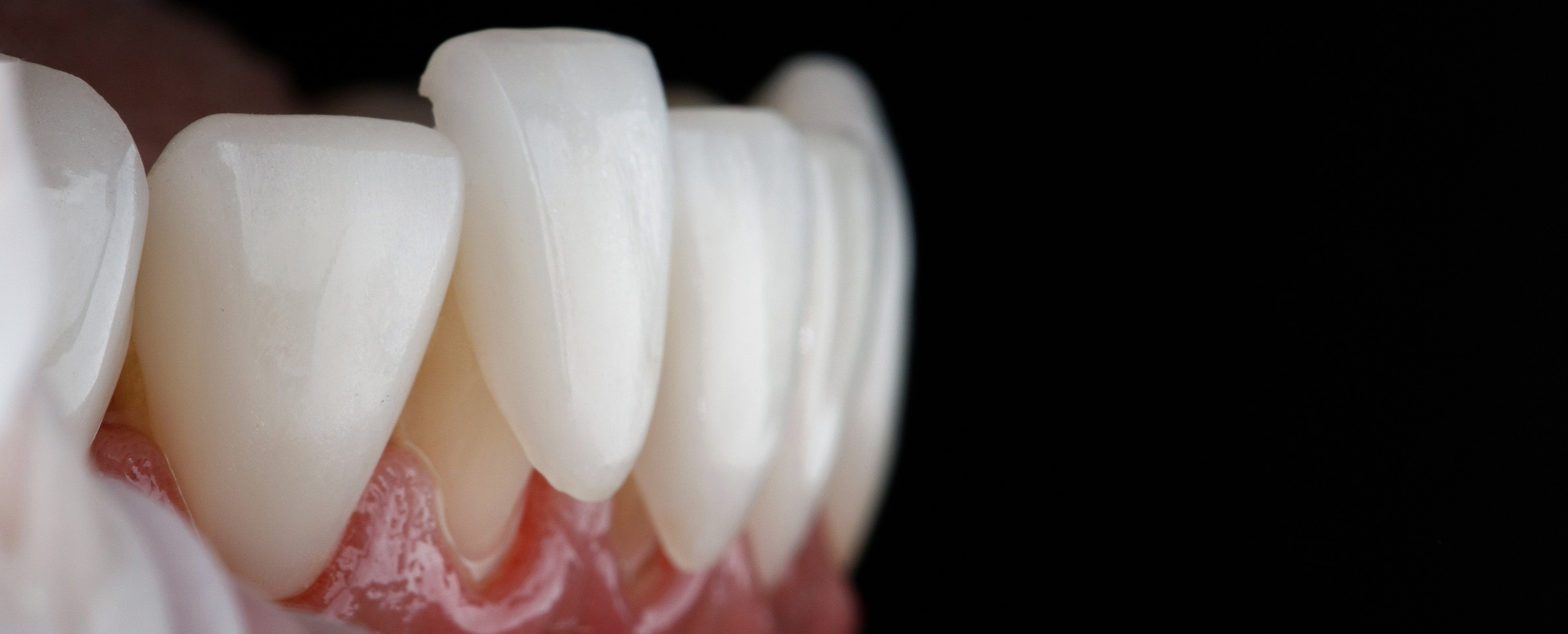
Porcelain veneers have attracted a significant amount of conflicting opinion, much of it driven by social media commentary rather than clinical evidence. This is a clear-eyed look at what veneers actually involve, what the risks genuinely are, and why the answer to the question in the title is considerably more nuanced than either camp suggests.
A conventional porcelain veneer requires a small amount of enamel to be removed from the front surface of the tooth before the veneer is bonded in place. The amount of enamel removed is typically 0.3 to 0.7mm, comparable in thickness to a contact lens.
This preparation is permanent. Once enamel has been removed, the tooth will always need a restoration to cover that surface. This is the core clinical reality that patients must understand before consenting to veneer treatment.
Prepared and placed well, by an experienced cosmetic dentist with appropriate materials and laboratory support, veneers are not harmful to the underlying tooth. The veneer itself protects the prepared surface, the bond is durable, and a well-made veneer can last 15 to 20 years or more with appropriate care.
Problems arise when veneers are placed on teeth that do not need preparation, when preparation is excessive, when the underlying health of the tooth has not been assessed properly, or when veneers are placed by clinicians without appropriate cosmetic dental training.
Patients seeking veneers should be cautious about clinics offering extremely low-cost veneer packages, clinics that do not take detailed records, X-rays, or photographs before treatment begins, situations where large numbers of teeth are prepared in a single session without a considered treatment plan, and veneers placed without addressing an underlying bite issue that will put undue stress on the restorations.
At Berkhamsted Dental, our cosmetic consultation is thorough and unhurried. We discuss the full picture, including the permanence of preparation, before any decision is made.
In some cases, ultra-thin veneers, sometimes called no-prep or minimal-prep veneers, can be placed with little or no enamel removal. These are suitable for a narrower range of clinical situations but represent a genuinely less invasive option for the right patient.
Veneers are an excellent treatment for the right patient, planned carefully, executed with precision, and maintained well. They are not the right choice for every patient or every situation.
Book a cosmetic consultation at Berkhamsted Dental to find out honestly whether veneers are the right option for your teeth.





Whether you’re booking your first appointment, have a question about our treatments, or simply want advice on your dental care — our friendly team is here to help.