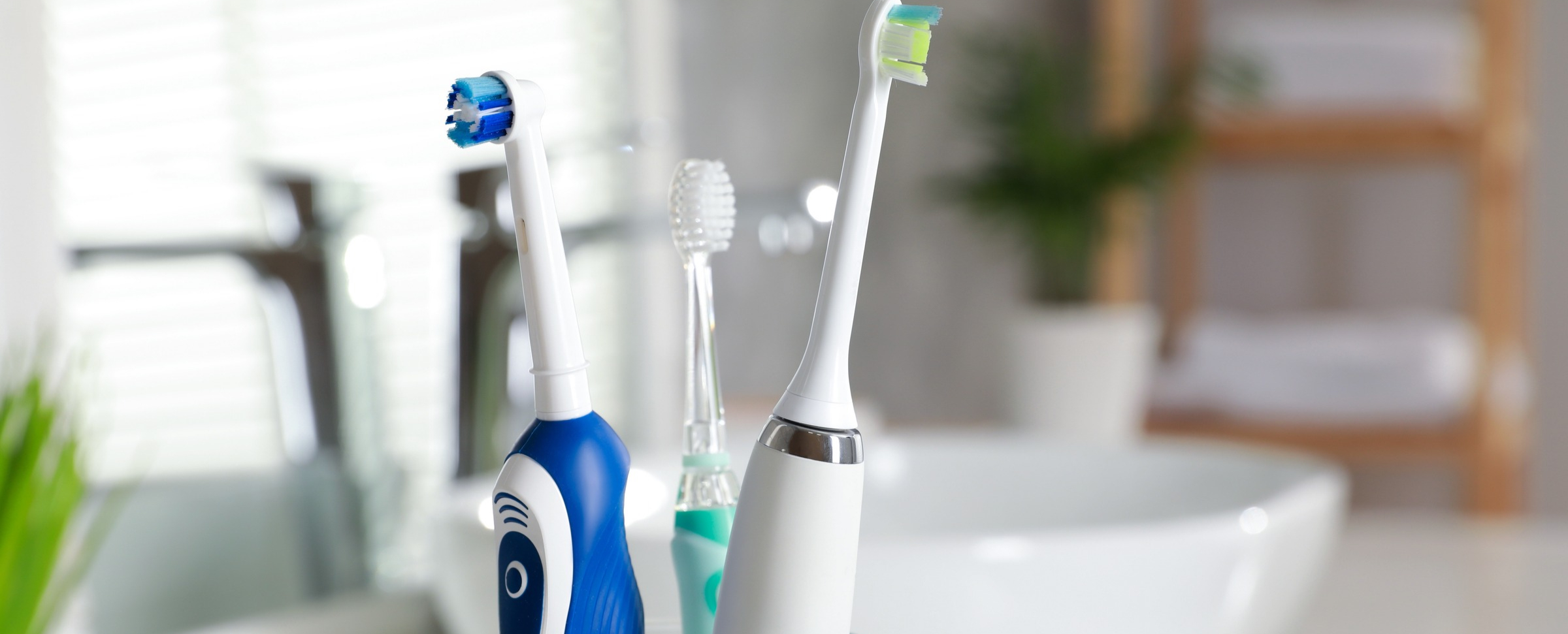
Electric toothbrushes have been a staple recommendation from dental teams for decades, and yet a significant proportion of people still use manual brushes, often assuming that technique matters more than the tool. The research on this is fairly clear, and the answer is worth knowing.
A Cochrane review, the gold standard for evidence-based healthcare research, found that powered toothbrushes reduced plaque by 21% more than manual brushes after three months, and reduced gingivitis by 11% more. These are clinically meaningful differences, not marginal gains.
The advantage comes primarily from the brush head’s movement. Oscillating-rotating brushes, the most commonly studied type, generate thousands of brush strokes per minute, far exceeding what is physically possible by hand, and the round brush head is specifically designed to clean one tooth at a time, including the gum margin.
Brush too hard. Many people apply far too much pressure when brushing manually, causing gum recession over time. Most electric toothbrushes have pressure sensors that alert you when you are pressing too hard.
Have limited dexterity. Patients with arthritis, repetitive strain injuries, or other conditions affecting hand mobility often find electric brushes significantly easier to use effectively.
Rush their brushing. Electric brushes with built-in two-minute timers, often divided into 30-second quadrants, help patients brush for the recommended duration without guessing.
Wear orthodontic appliances. Cleaning around brackets, wires, and aligner attachments is easier with a powered brush.
An electric toothbrush does not replace interdental cleaning. Floss, interdental brushes, or a water flosser are still essential for cleaning between the teeth where no brush head reaches. Gum disease and decay most commonly begin in these interproximal spaces.
An electric brush also cannot compensate for an infrequent brushing routine. Brushing effectively once a day is less useful than brushing reasonably well twice a day, every day.
For most patients, an oscillating-rotating brush from a reputable brand is the most evidence-backed choice. Sonic brushes are a close second and are preferred by many patients for comfort.
Ask your hygienist or dentist at your next appointment at Berkhamsted Dental which brush they would recommend for your specific needs. The right brush, used consistently, is one of the most reliable investments in your oral health.





Whether you’re booking your first appointment, have a question about our treatments, or simply want advice on your dental care — our friendly team is here to help.