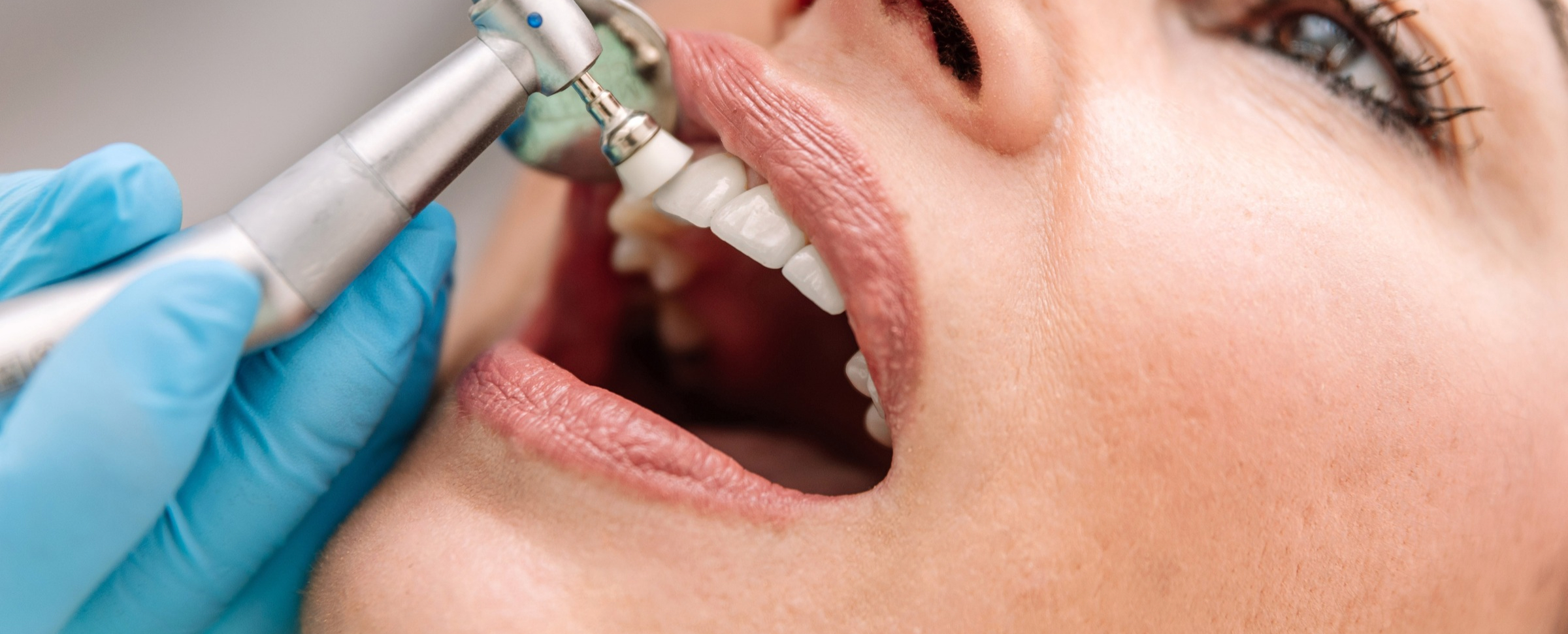
A scale and polish is one of the most common procedures carried out at a dental hygiene appointment, and yet many patients are unclear about what it involves, why it is recommended, and whether they genuinely need it or are simply being upsold. This is an honest explanation.
A scale and polish is a professional cleaning treatment carried out by a dental hygienist. It involves two distinct steps.
Scaling removes calculus, the hardened mineral deposit that forms when plaque is not fully removed and calcifies on the tooth surface. Calculus cannot be removed by brushing alone, however well you brush. It typically accumulates behind the lower front teeth and around the gum margins, and it harbours the bacteria that cause gum disease.
Polishing removes surface stains and the soft plaque deposits that remain after scaling, leaving the tooth surface smooth. A smooth surface makes it harder for new plaque to adhere, buying time before deposits begin to form again.
That depends on how quickly you accumulate deposits and how effective your home oral hygiene routine is. Most patients benefit from a professional clean at least once a year. Patients with a history of gum disease, heavy calculus build-up, or a tendency to accumulate deposits quickly are typically seen every three to six months.
At Berkhamsted Dental, the frequency of your hygiene appointments is guided by a clinical assessment rather than a default interval. You will be told why the recall interval is what it is, and what you can do at home to extend it if you wish.
Not exactly. A scale and polish is one component of a hygiene appointment. A thorough hygiene visit also includes an assessment of your gum health, pocket depths, and any areas of concern; personalised instruction on your brushing and interdental cleaning technique; and a review of any risk factors relevant to your oral health.
Think of the scale and polish as the clinical procedure and the hygiene appointment as the broader care context in which it sits.
The calculus that a hygiene appointment removes is the primary driver of gum disease progression. A patient who skips hygiene appointments because they feel their gums are fine is not monitoring a stable situation. They are allowing an infection to develop, largely without symptoms, until it has done significant and irreversible damage to the bone supporting their teeth.
Book a hygiene appointment at Berkhamsted Dental and let us give you a clear picture of where your gum health stands.





Whether you’re booking your first appointment, have a question about our treatments, or simply want advice on your dental care — our friendly team is here to help.