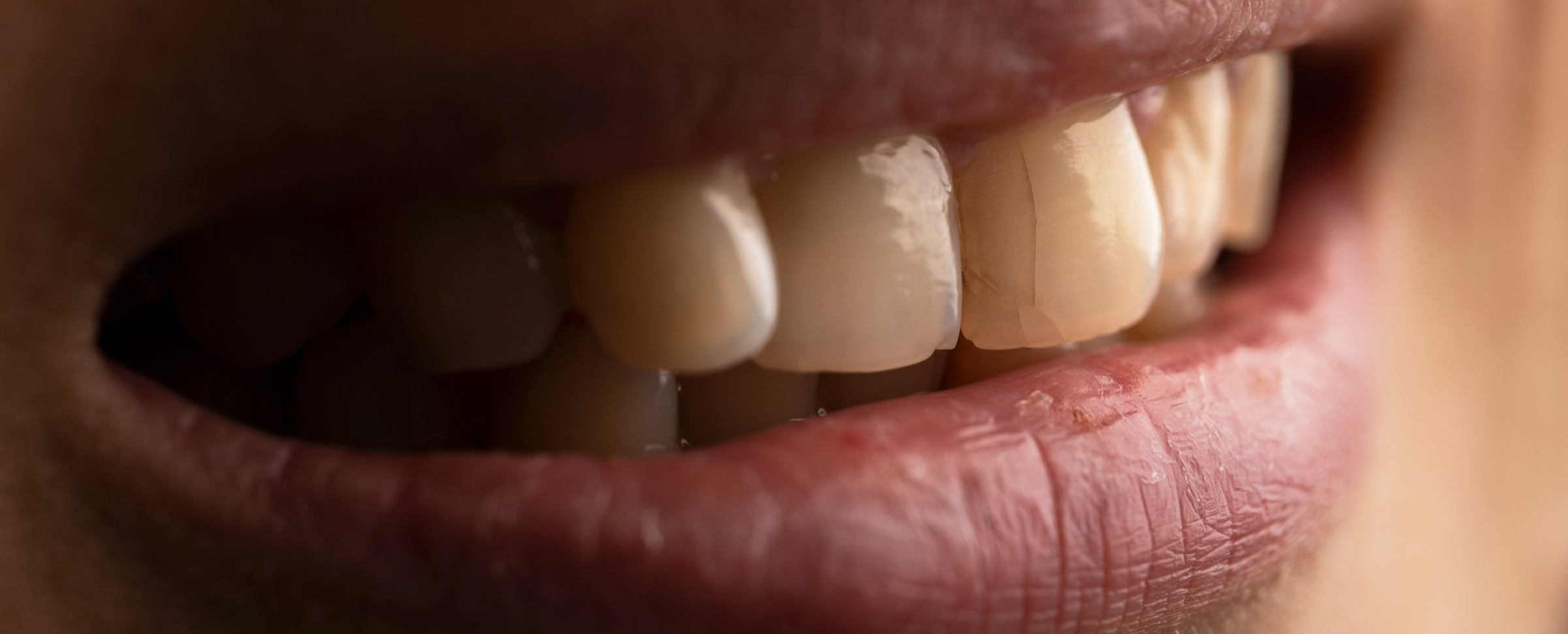
A cracked tooth is one of the trickier diagnoses in dentistry. The symptoms are often intermittent and hard to pin down; the crack may not be visible on an X-ray, and patients can suffer for months before understanding what is causing their discomfort. This guide explains what a cracked tooth feels like, what treatment options exist, and what to expect.
The classic symptom of a cracked tooth is sharp pain on biting, often followed immediately by relief when you release the bite. This on-off pressure pain is distinctive and is caused by the crack opening and closing as biting force is applied and released.
Other symptoms include sensitivity to cold or sweet foods that resolves quickly, sensitivity to heat that lingers, general aching in the jaw, and difficulty identifying exactly which tooth is causing the problem. The intermittent, hard-to-localise nature of cracked tooth pain is one of the reasons it is frequently confused with other conditions.
The most common causes include tooth grinding (bruxism), biting on hard foods such as ice or hard sweets, trauma to the jaw or face, large existing fillings that weaken tooth structure, and the natural weakening of teeth with age. Back teeth, which take the greatest biting forces, are most commonly affected.
At Berkhamsted Dental, we use a dental operating microscope to examine teeth in exceptional detail. Many cracks are invisible to the naked eye but detectable under magnification. Biting tests using a small instrument called a tooth sleuth help isolate exactly which tooth and which cusp is causing the pain. Transillumination with a dental light can also reveal crack lines that X-rays miss.
Treatment depends entirely on the extent of the crack.
Superficial craze lines affect only the outer enamel and rarely require treatment beyond monitoring.
Cracks involving dentine may be managed with a crown, which splints the tooth and prevents the crack from propagating further. This is the most common treatment and has a good long-term prognosis if carried out before the crack reaches the pulp.
Cracks reaching the pulp require root canal treatment to remove the infected or inflamed nerve tissue before the tooth is crowned.
Vertical root fractures extend from the root upwards and typically cannot be saved. Extraction followed by implant placement is usually the appropriate course.
A cracked tooth that is treated promptly, before the crack reaches the pulp or the root, has a good prognosis. The key is not to ignore the symptoms. If biting causes sharp pain that resolves immediately, book an appointment at Berkhamsted Dental [link new patients] as soon as possible rather than waiting for the situation to worsen.





Whether you’re booking your first appointment, have a question about our treatments, or simply want advice on your dental care — our friendly team is here to help.